Monsoon Pet Care in Hyderabad: A Complete Guide
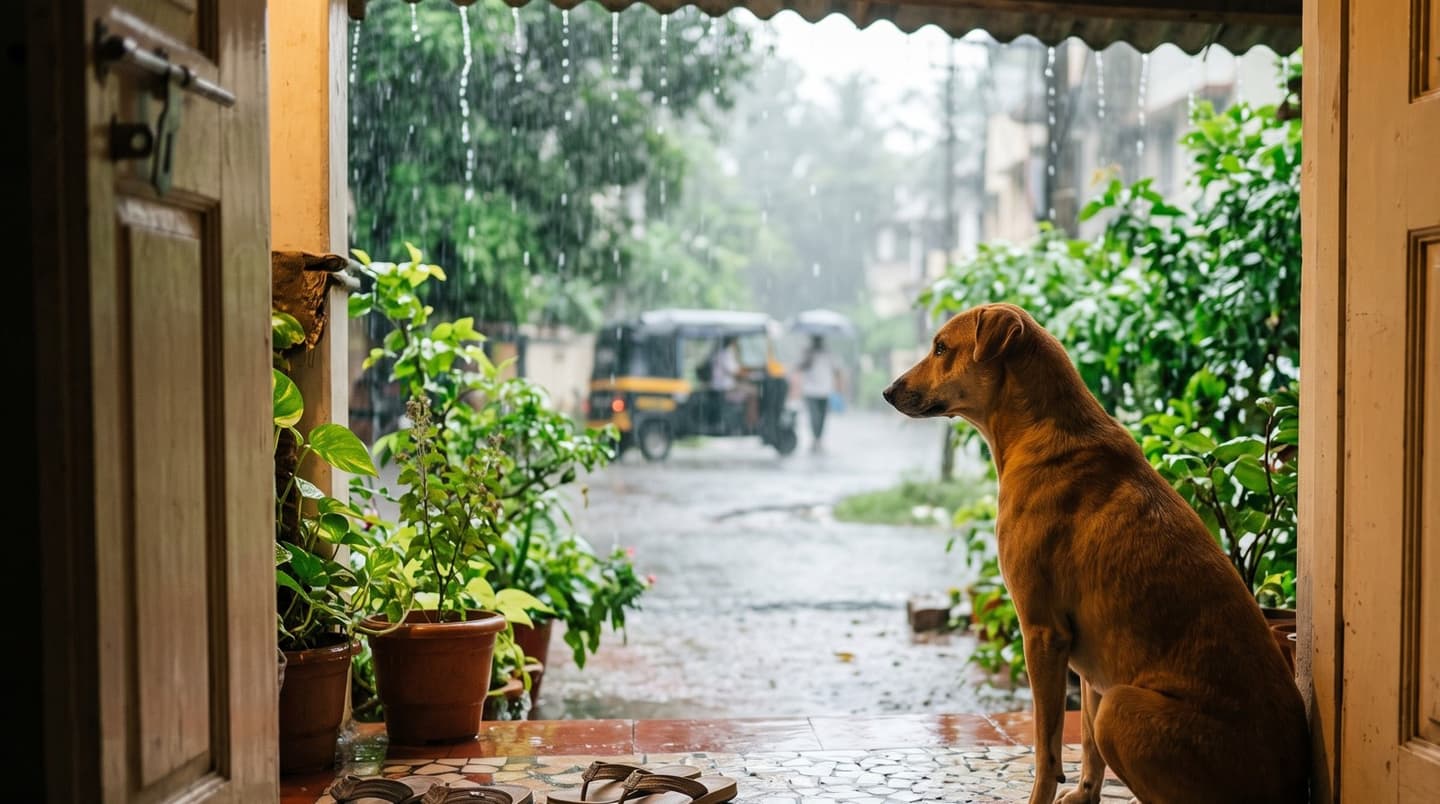
After weeks of 40°C-plus afternoons, the first monsoon showers are a relief for everyone in Hyderabad — including our pets. But the rainy season quietly swaps one set of problems for another. The same humidity that cools the city also breeds ticks, fungus, and bacteria, and the thunderstorms that water our gardens can terrify a dog who was perfectly calm all summer.
After 18+ years of caring for and breeding pets in Hyderabad, we've seen every monsoon ailment walk through our doors. Here's the complete, practical guide to getting your pet through the season healthy and happy.
1. Win the War on Ticks and Fleas
This is the single biggest monsoon health issue we see. Warmth plus humidity is the perfect breeding ground for ticks and fleas, and they multiply fast once the rains begin. Left unchecked, ticks cause tick fever (ehrlichiosis and babesiosis) — a genuinely dangerous, sometimes fatal, blood infection that spikes in Hyderabad every monsoon.
- Stay ahead with prevention: Don't wait for the first tick. Start a vet-recommended spot-on treatment, collar, or oral preventive before the season peaks.
- Check daily: Run your hands through your dog's coat every evening — especially around the ears, between the toes, and under the collar.
- Keep the surroundings dry: Ticks thrive in damp corners, old bedding, and waterlogged garden patches. Wash bedding weekly and keep sleeping areas dry.
2. Keep Paws and Coat Dry to Stop Fungal Infections
Wet paws and a damp coat are how most monsoon skin problems start. Fungal and bacterial infections love the folds between the toes and any spot that stays moist.
- Towel-dry after every walk: Wipe down paws, belly, and legs the moment you're back indoors. Pay special attention to the gaps between the paw pads.
- Watch for warning signs: Constant licking of paws, a musty smell, redness, or hair loss usually means a fungal infection is starting. Catch it early.
- Avoid the dirty puddles: Hyderabad's waterlogged streets carry bacteria and leptospirosis risk. Steer your dog away from standing water and open drains.
- Trim the fur: A slightly shorter coat and trimmed paw fur dries faster and is far easier to keep clean through the season.
3. Adjust Walks and Exercise
Routines slip during the monsoon, but exercise still matters — a bored, cooped-up dog gets destructive and anxious.
- Time it with the weather: Use the dry windows in the morning or evening for walks. Keep an eye on the forecast.
- Have an indoor backup: On heavy-rain days, swap the walk for indoor play — fetch down a hallway, puzzle toys, or training sessions burn energy just as well.
- A raincoat helps: For short-coated breeds, a simple pet raincoat keeps a quick toilet walk from turning into a full bath.
4. Watch the Diet and Drinking Water
Humidity spoils food faster and changes appetites. A few small adjustments prevent stomach upsets.
- Fresh food only: Don't leave wet food out — it turns in hours during the monsoon. Serve smaller portions and clean the bowl after each meal.
- Always clean water: Change drinking water frequently and keep the bowl spotless. Waterborne infections rise this time of year.
- Store kibble airtight: Dry food absorbs moisture and grows mould quickly. Keep it sealed in an airtight container, not the open bag.
5. Calm the Thunderstorm Anxiety
Many dogs — and some cats — are genuinely frightened by thunder and lightning. The shaking, hiding, and pacing are real distress, not misbehaviour.
- Create a safe den: Give them a quiet, covered corner — a crate with a blanket or a spot away from windows — where they can retreat.
- Stay calm yourself: Pets read your energy. Reassure gently, but don't fuss so much that you reinforce the fear.
- Mask the sound: Soft music or a fan can dull the impact of thunderclaps.
- Ask your vet: For severe anxiety, calming aids or supplements can help — check before the worst storms arrive.
Don't Forget Cats and Birds
Cats: Indoor cats are largely shielded, but humidity still encourages fungal skin issues and damp litter trays. Keep the litter dry and change it more often, and watch long-haired breeds like Persians and Maine Coons for matting.
Birds: Exotic birds are sensitive to damp and sudden temperature drops. Keep cages away from rain-facing windows and draughts, ensure good ventilation without a direct breeze, and watch for fluffed-up feathers or lethargy — early signs of a chill.
When to Call the Vet
Don't wait it out if you notice any of these monsoon red flags:
- Persistent scratching, licking, or a foul smell from the skin or ears
- Fever, lethargy, loss of appetite, or pale gums (possible tick fever)
- Vomiting or diarrhoea lasting more than a day
- Limping or refusing to put weight on a paw
Visit Us This Season
A little preparation makes the entire monsoon easier on your pet — and on you. If you're unsure which tick preventive, diet, or grooming routine suits your breed, come talk to us at Danny Pet Store on Banjara Hills Road No. 3, Punjagutta. With 18+ years of experience and 1,200+ happy Hyderabad families, we're always glad to help you keep your companion healthy, whatever the weather.